
Ingrown Toenail Treatment in Austral, NSW
Ingrown Toenail Treatment Near You
A throbbing toe that hurts every time you put on enclosed shoes can make even a short walk uncomfortable. At Austral Podiatry, we provide ingrown toenail treatment in Austral, NSW, to relieve pressure from the nail edge, settle irritation, and look at why the problem developed. Treatment is especially worthwhile if your toe is red and swollen or the nail keeps growing back into the skin.
If you are looking for ingrown toenail treatment near you, our podiatrist can assess your condition and recommend suitable treatment based on the severity of the ingrown toenail and your individual needs. Early assessment can help address discomfort and reduce the risk of further irritation.
What Is Ingrown Toenail Treatment?
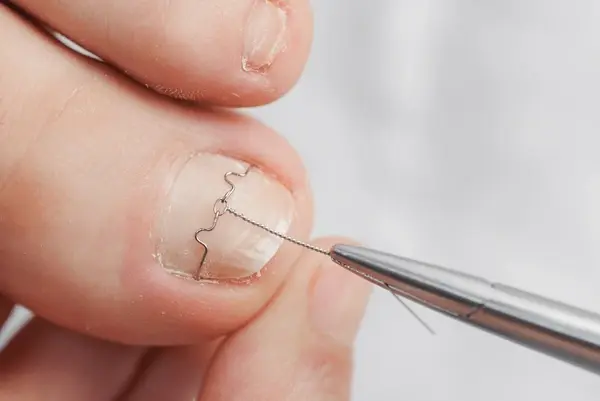
Ingrown toenail treatment focuses on managing a toenail that grows into or places pressure on the surrounding skin. The appropriate treatment depends on the severity of the condition, the presence of inflammation or infection, and whether the problem is recurring. Options may include conservative care or a minor nail procedure for more persistent cases.
Our podiatrist in Austral, NSW, assesses the affected nail and surrounding areas to determine an appropriate treatment. Mild cases may respond to conservative management, while persistent or recurrent ingrown toenails may require a procedure, such as partial nail removal.
Treatment aims to relieve pressure on the surrounding tissue, manage discomfort, and support healing. Our podiatrist can also recommend suitable aftercare and discuss measures that may help reduce the risk of recurrence.
When Do You Need Ingrown Toenail Treatment?
Booking an appointment with a podiatrist near you is recommended if you notice persistent toenail discomfort, redness, swelling, or tenderness around the nail edges. These symptoms may indicate an ingrown toenail, particularly if the surrounding skin becomes inflamed or starts to discharge fluid.
Pain along the side of your toenail, especially in enclosed shoes
Redness, swelling, or warmth around the nail edge
Pus, bleeding, or an unpleasant smell near the nail
Extra tissue growing over the side of the nail
A nail that becomes ingrown again soon after trimming
A sore, swollen toe in a child or teenager
If you have diabetes, poor circulation, or reduced feeling in your feet, please avoid cutting the nail yourself and book an appointment early.
What Are the Benefits of Professional Ingrown Toenail Treatment?
Cutting out an ingrown nail at home often leaves a sharp spike behind that keeps pressing into the skin. Professional care removes the problem edge cleanly and addresses why it happened. Benefits may include:
Pain Relief
Removing the section of nail pressing into the skin can ease pressure and discomfort.
Lower Infection Risk
Sterilised instruments and proper wound care can reduce the chance of infection compared with treating the nail yourself.
Fewer Recurrences
Trimming advice, footwear guidance, and nail surgery where needed can help lower the chance of the problem returning.
Safer Care for Higher-Risk Feet
Patients with diabetes or circulation concerns receive treatment planned around their health needs.
We provide ingrown toenail treatment in Austral, NSW, with care tailored to each patient’s needs.
What Happens During and After Your Appointment?
Your treatment depends on the severity of the nail, and we talk you through your options before anything begins. Your care may include:
Assessment
We examine the toe, check for signs of infection, and ask about your health history, footwear, and how you usually trim your nails.
Conservative Nail Edge Removal
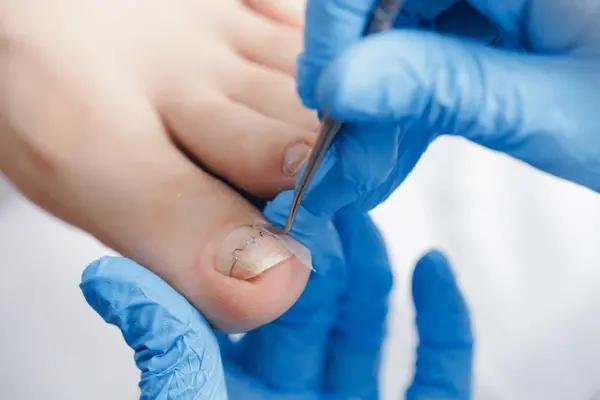
For many ingrown nails, we carefully remove the offending section of nail without surgery, then clean and dress the area.
Nail Surgery If Needed
For recurring ingrown nails, a partial nail avulsion may be recommended. Under local anaesthetic, the problem edge is removed, and a chemical called phenol is usually applied to reduce the chance of that section regrowing.
Dressing and Home Care
We show you how to keep the area clean and change your dressings, and we suggest roomy or open-toed footwear while it heals.
Prevention Advice
We explain how to cut your nails straight across and choose shoes that leave enough room for your toes.
Follow-Up Visits
Review appointments let us check healing and confirm the nail edge is growing forward comfortably.
Why Choose Austral Podiatry for Ingrown Toenail Treatment?
Sabrina Hatem, the clinic’s owner, provides ingrown toenail care at Austral Podiatry. Her qualifications include a Bachelor of Podiatric Medicine, and she belongs to the Australian Podiatry Association.
Our approach includes:
Conservative Care First
We start with the least invasive option that suits your nail and discuss surgery only when it’s likely to help.
Sterile Instruments and Clear Communication
We use sterilised equipment and explain each step, so you know what to expect.
Holistic, Patient-Centred Care
We look at nail shape, footwear, and trimming habits to address why the problem developed.
Owner-Operated Practice
Sabrina manages your treatment from the first appointment to your final review.
Flexible Payment Options
We welcome private health fund members, with on-the-spot claiming through HICAPS, as well as DVA and workers compensation patients. Medicare rebates may apply to eligible consultations if your GP has referred you under a Chronic Condition Management Plan. Please be aware that we don’t bulk bill.
Ready to Book Your Appointment?
If you are experiencing symptoms of an ingrown toenail, timely treatment can help manage discomfort and reduce the risk of complications. If you are looking for ingrown toenail treatment near you, call (02) 8104 1242 to book an appointment with Austral Podiatry.
Visit us at Suite 1, Level 1, 101 Browns Road, Austral NSW 2179, inside Austral Health Medical Centre.
FAQs
Does ingrown toenail treatment hurt?
Conservative treatment may cause brief discomfort, particularly if the toe is already inflamed, and we work carefully to keep you comfortable. For nail surgery, a local anaesthetic numbs the toe, so you may feel pressure, but the procedure itself is not usually painful.
How long does recovery take?
Most people return to normal activities soon after conservative treatment. After nail surgery, the area usually takes several weeks to heal fully, and we’ll advise you on dressings, footwear, and when to return to sport or swimming.
Can I treat an ingrown toenail at home?
Warm salt water soaks and roomy shoes may ease mild discomfort, but cutting into the corner of the nail can leave a spike behind and raise the risk of infection. If you have diabetes or poor circulation, please see a podiatrist rather than treating it yourself.
Can an ingrown toenail come back?
Yes, particularly if your nail is naturally curved or the original cause hasn’t changed. Correct trimming and well-fitted shoes can help, and for recurring cases, nail surgery may reduce the chance of that edge growing back.